Category: folklore
-
Walking with Bríg
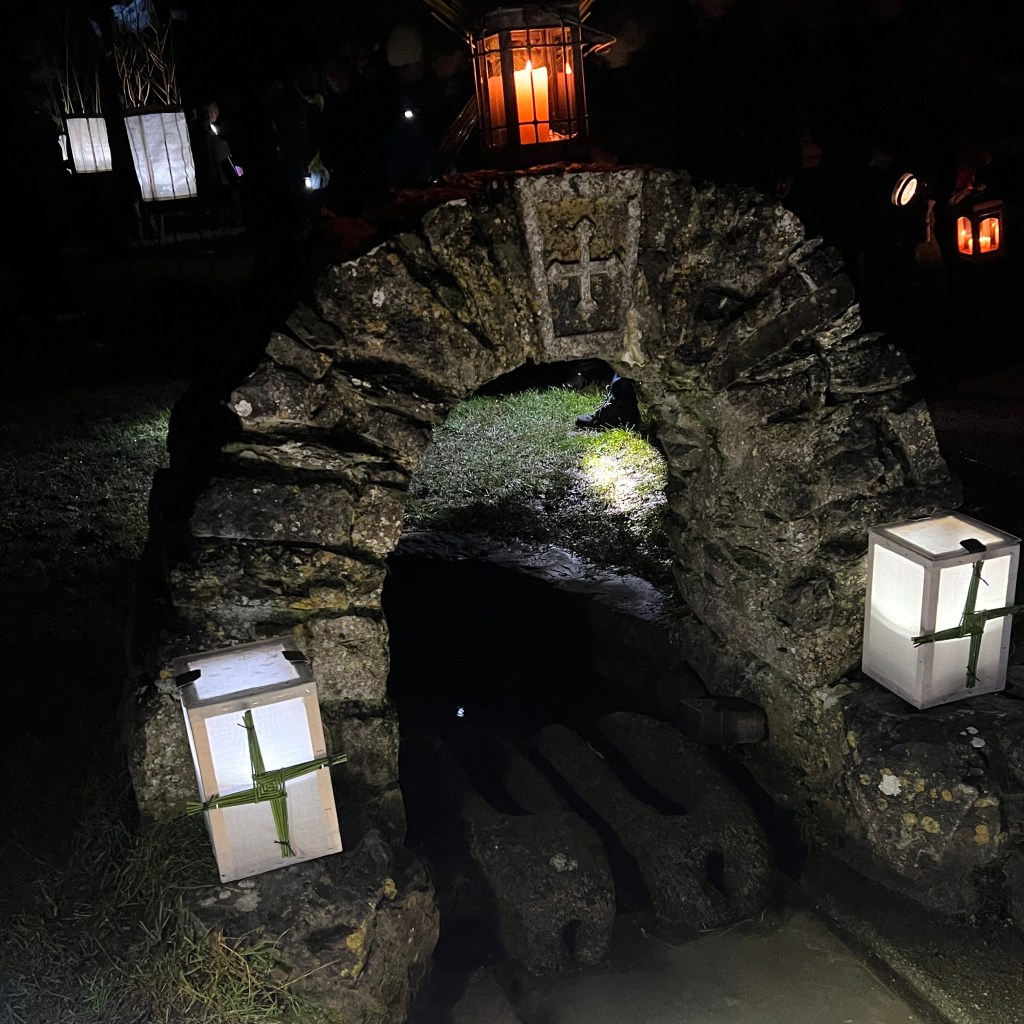
So grateful to have spent St Brigid’s Eve in Kildare and to Solas Bhride for leading a lovely ritual and pilgrimage to St Brigid’s garden well. Missing my @baltimorereclaiming folks this Imbolc, but excited to connect in new ways. My Brat Bríde is tied around the door handle for Brigid’s blessing and…
-
Blessed Imbolc and St Brigid’s Eve
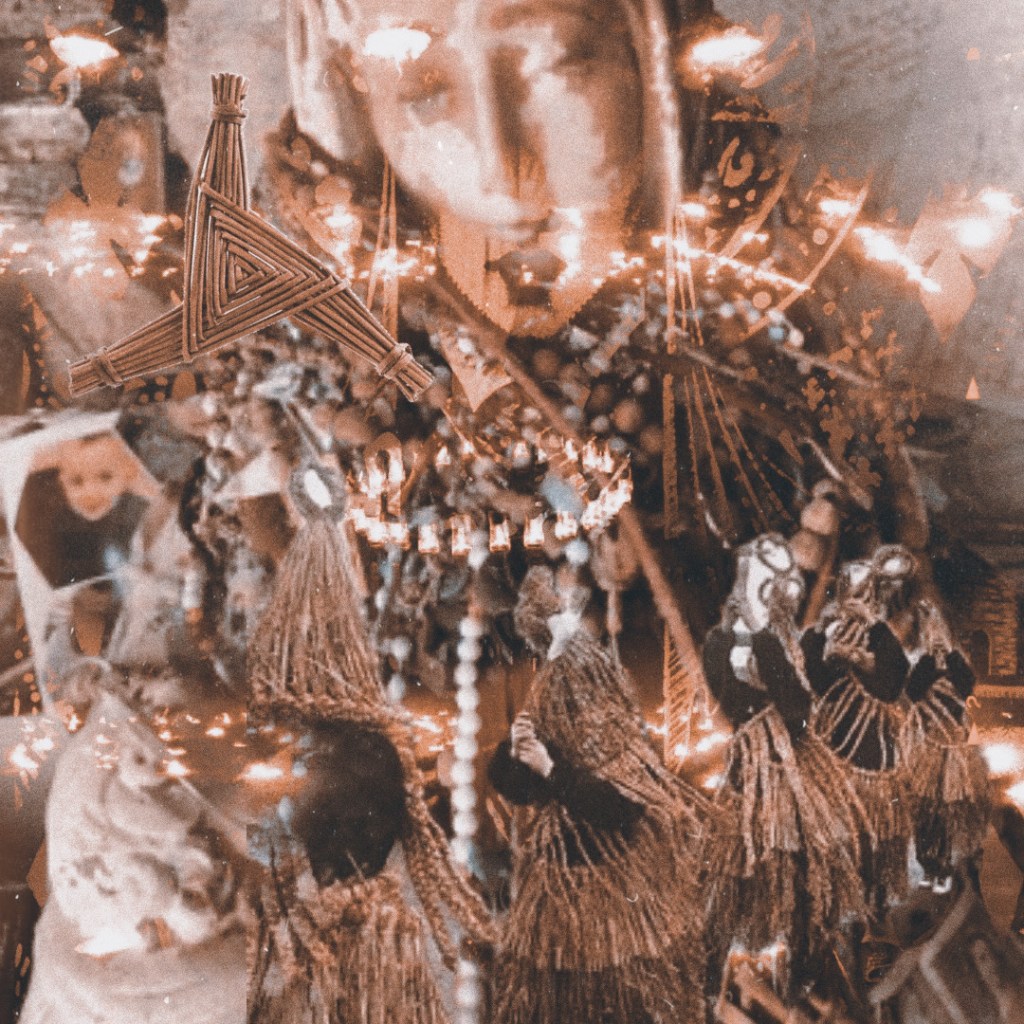
Excerpt from the School’s Collection from the National Folklore Collection 1937-1938 St Brigid’s Night NFCS 0126: 469-470 Corrower, County Mayo “In this part of the country the people have several customs that they practise on the thirty-first of January – “Brighideóg Night.” They greatest custom of all is the practice…
-
Shrove Tuesday and The Skelligs
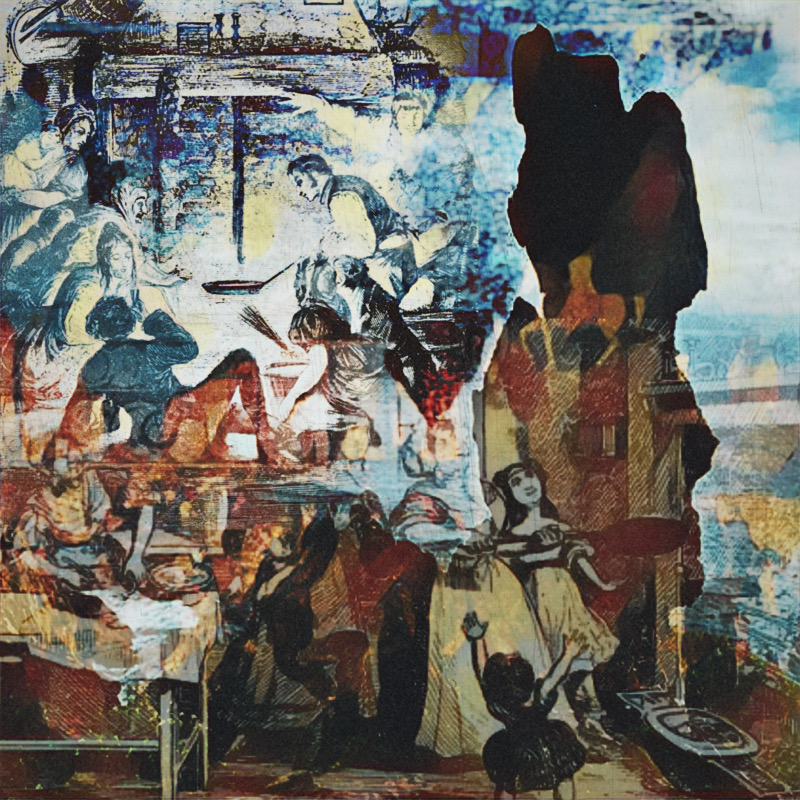
In preparation for the abstinence of Lent, families and neighbours gathered at the hearth to feast on meat and dairy products. Like on Oíche Shamhna, young people of marriageable age participated in divination rites to determine their luck in matrimony for the following year. There was a common practice of…
-
An Bhean Ghlúine and ML 5070 (Midwife to the Fairies)
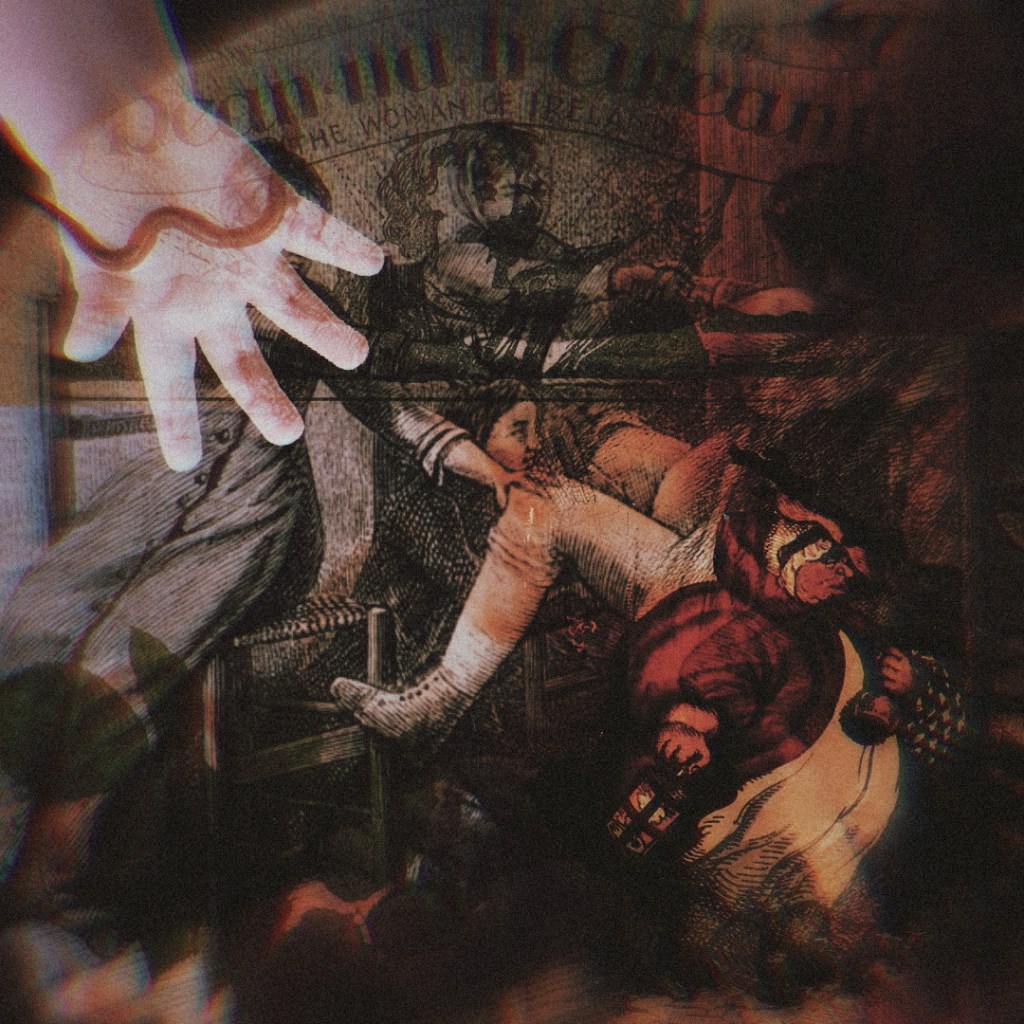
The Bhean Ghlúine, midwife or handy-woman is a person skilled in overseeing the ritual of childbirth. She protects the mother and child from evil forces with charms, spells and/or herbs and wields a great deal of power in a predominately patriarchal society, due to the dangerous circumstances and the taboo…
-
Changelings and ML 5085
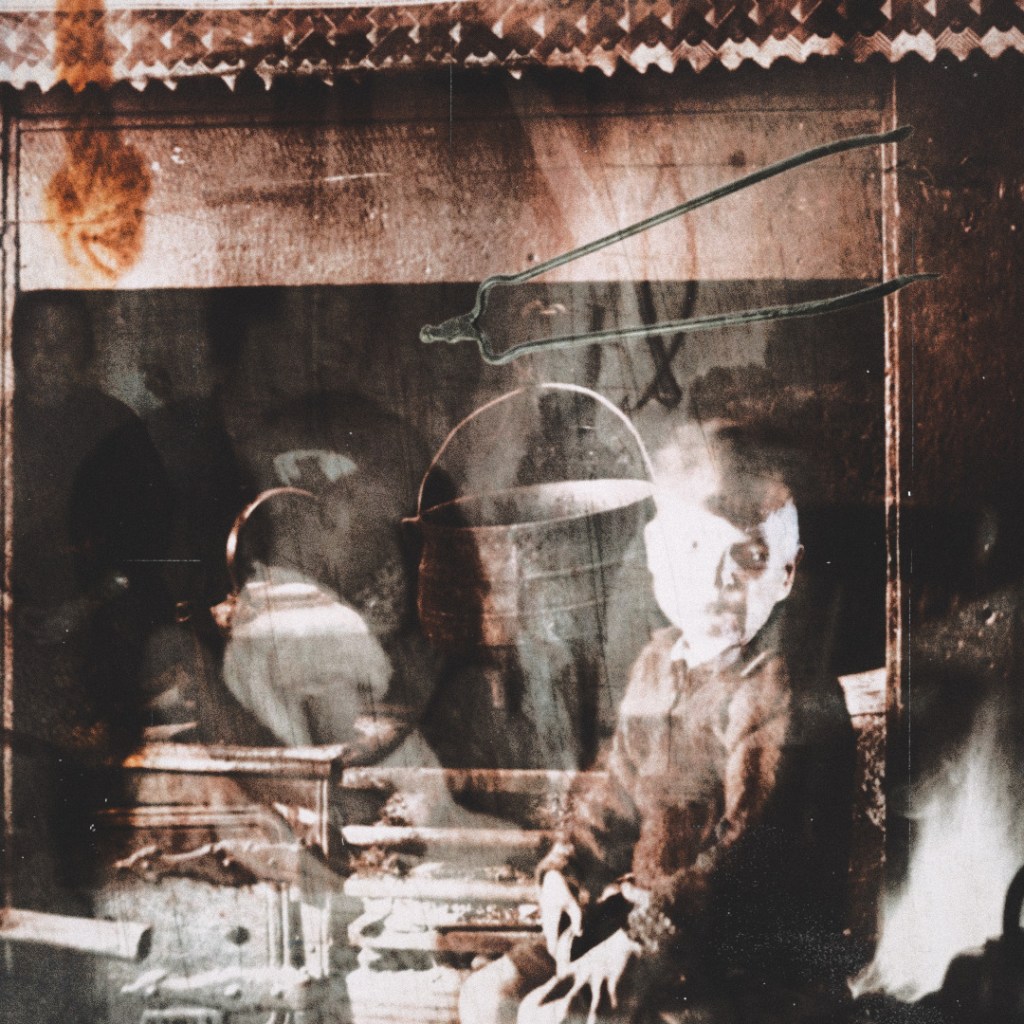
Changelings are fairy substitutes for human children or adults that have been abducted. They may function as a coping mechanism for rationalising neurodivergence, disability, high infant death rates or any behaviour which violates patriarchal social norms (Ballard, 2014; Eberly, 1988). Within the rites of passage structure, separation occurs when the…
-
Cillíní
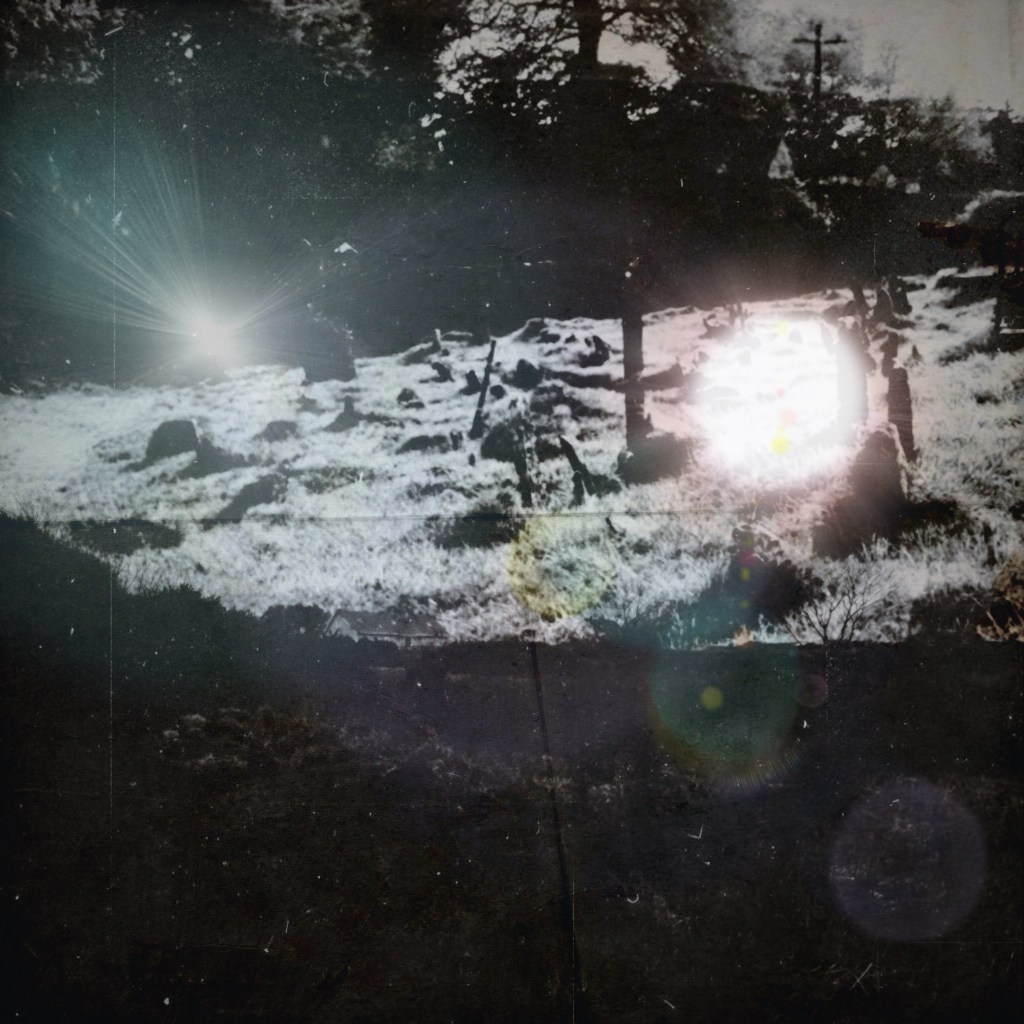
In Irish and greater European tradition, particularly with Catholicism, the rite of baptism combines folk and religious belief to bring an infant and their soul from the land of the dead (separation), through the cleansing ritual (liminality) and to incorporation into the community/sanctification. The ceremony, whether lay or official, involves…
-
Strawboys
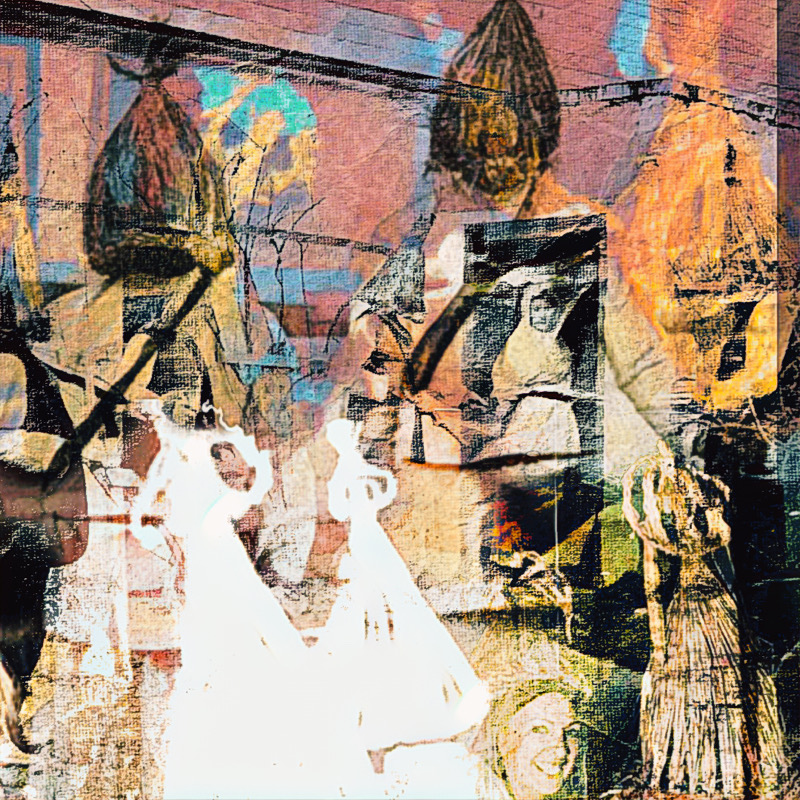
The Strawboys were small bands of disguised men, who traditionally arrived as uninvited guests to weddings in most of Ireland. Their disguises varied, but always included straw and often women’s clothing. They were particularly focused on anonymity, wearing hats or masks that covered their faces and often obscured their height. …
-
The Grimm Legacy
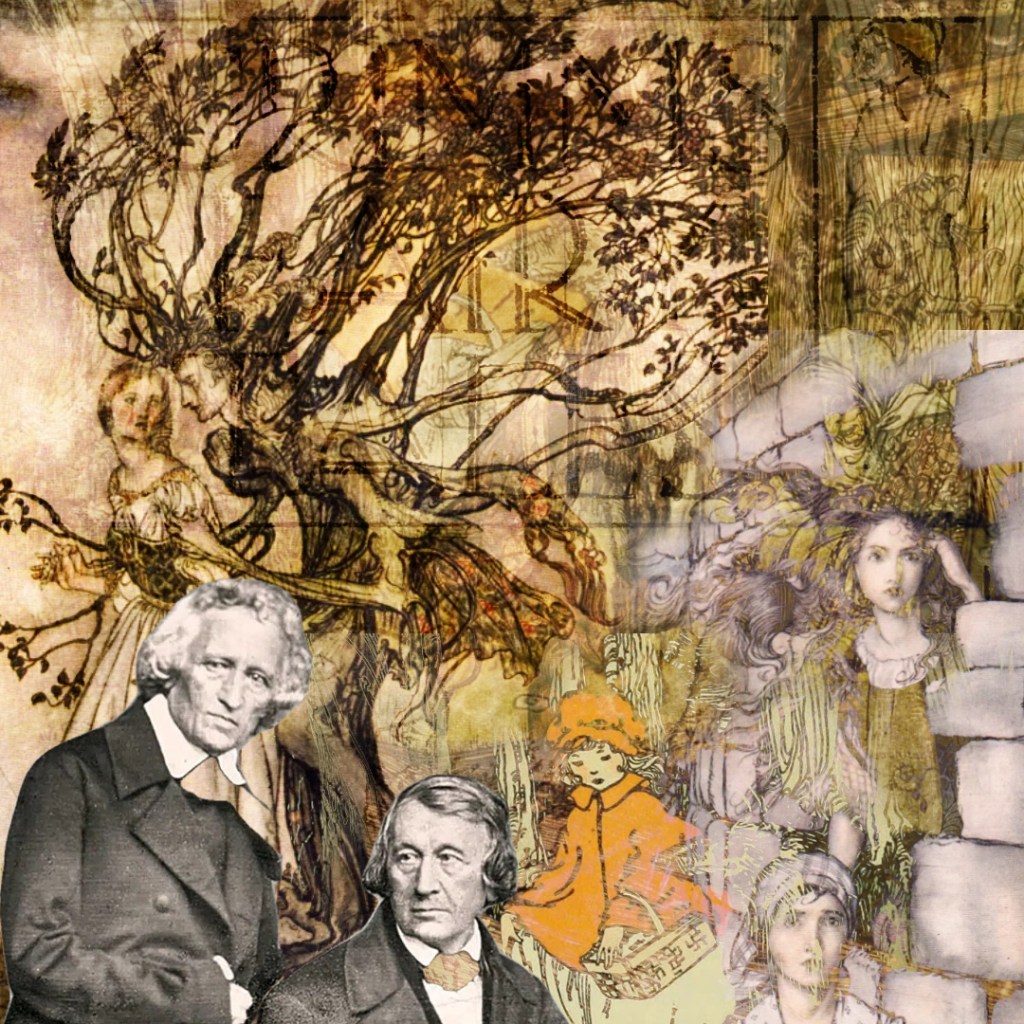
Jacob and Wilhelm Grimm were scholars in 18th century Germany, whose prolific works included a vast collection of folktales and other lore. The chance combination of their personal values and circumstances uniquely situated them to influence both generations of readers and the study of folklore. The contribution of the Grimm…
-
Old Woman As Hare: Approaches to Narrative Folklore Analysis
Legends are narratives, which involve an element of belief that is grounded in time and place[1]. They tend to be shorter than folktales and provide a social function of expressing community fears in order to uphold values and maintain status quo. Authenticity is presented in these tales through naming of…
-
Deathbed Liminality:
Persistence of Folk Beliefs and Practices in Care of the Dying “The poor and old are cared for now just as in days of yore When friars at their Abbey kept for all an open door And old friends who come to fish on island studded Mask Throw care away…
 Bridging Appalachia