-
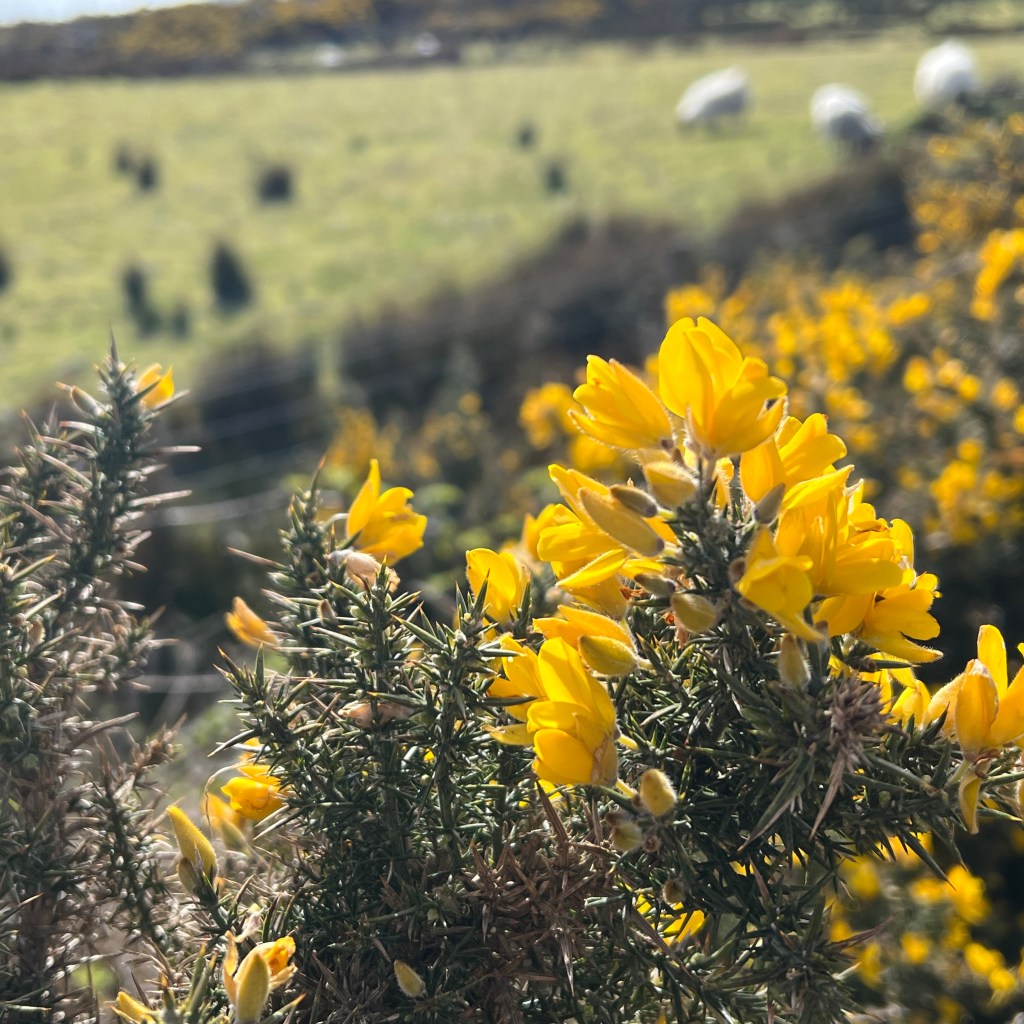
Spending the week 🌱🍄 Tending the Wild 🪸🌾 with @wildawakeireland – having a lovely time at @thesonghouse and out on the land and sea in #donegal 🌿
-
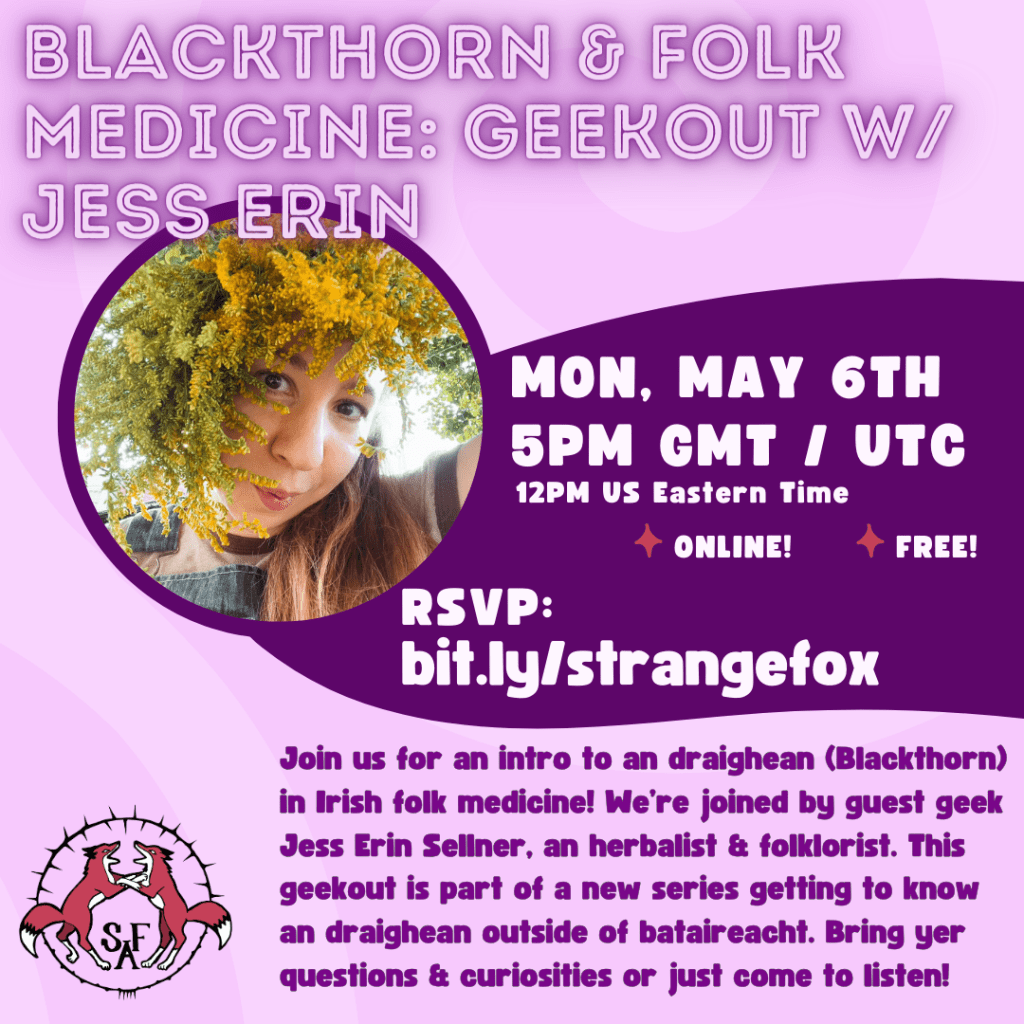
Repost from @bmorebata 🦊 🌿The wood most associated with bataireacht and the bataí, the weapons, we use is an draighean (the Blackthorn). Tho it’s not the only wood or even the oldest wood associated with shillelagh (sail éille) fighting, an draighean is the most well known.And we want to help you get to know it better. 🌱This…
-
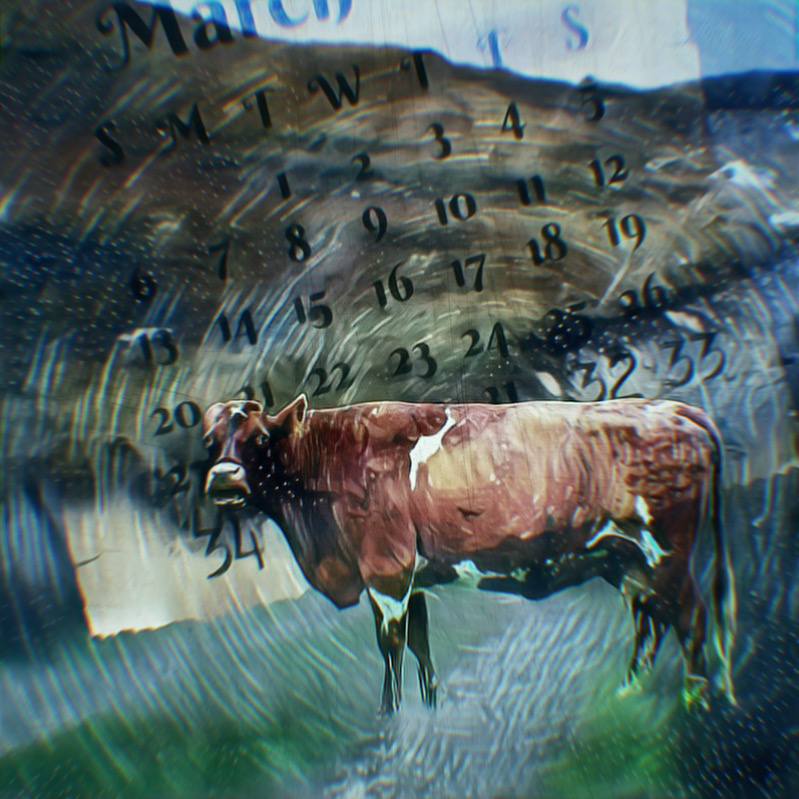
NFC S 150: 100 In the past in this part of the country the holdings were very small and the winter feeding for stock was very limited and in most cases was consumed by the end of March. The people felt that if their stock survived that month the need for fodder was over.On one…
-
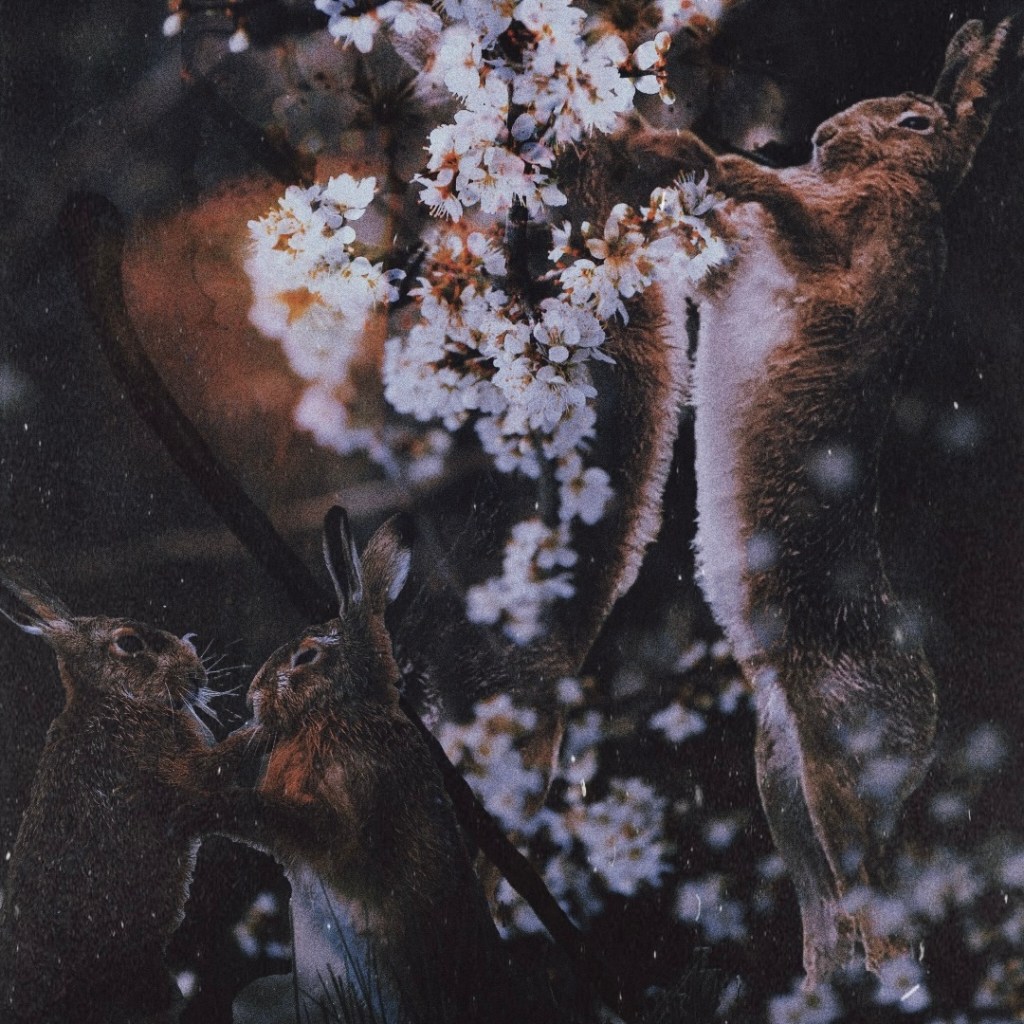
All the feels! Just passed my hare exam for bataireacht with an amazing group of folks! So much thanks to coach Cu @bmorebata for incredible instruction and co-creation of a community of love and resistance. I’m super excited to deep dive on hare lore and movements with my new mentors.
-
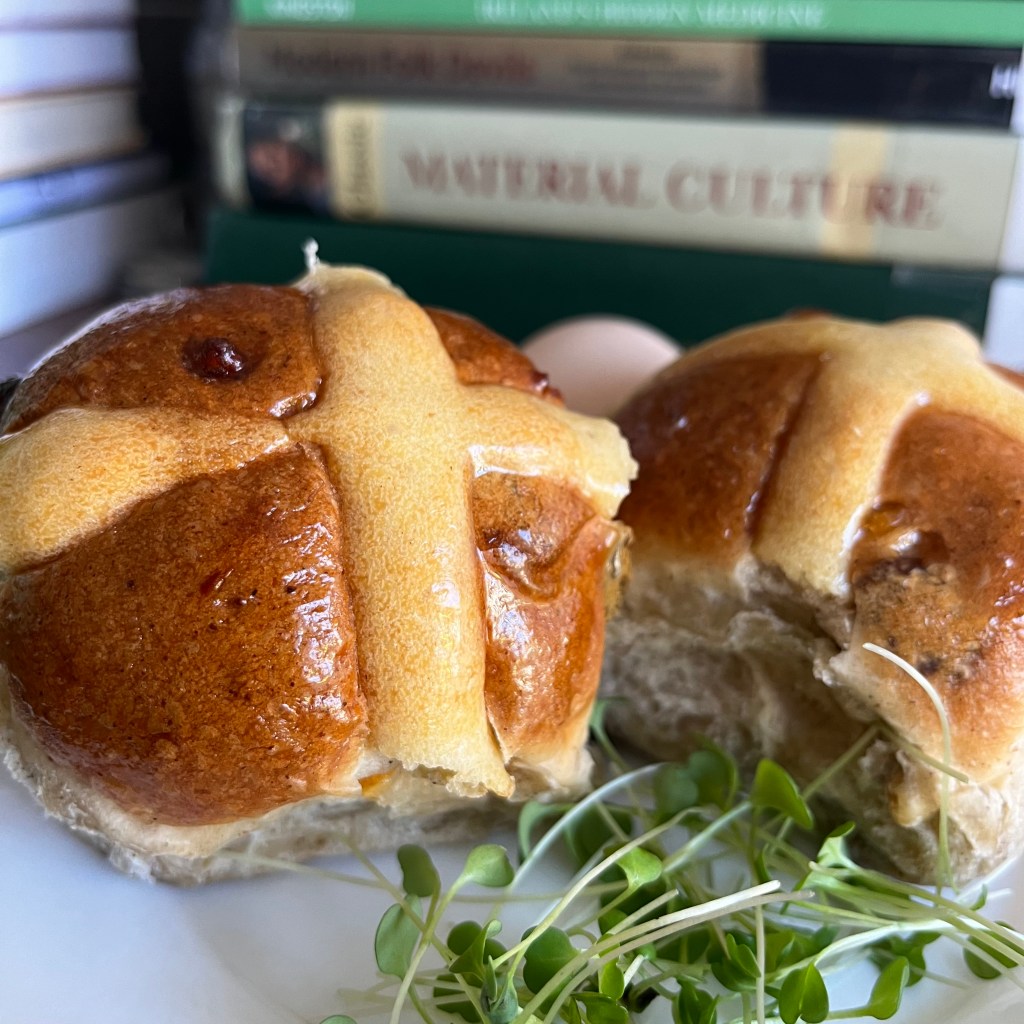
NFC S 742: 305Loughanavally, Co. Westmeath People also make “hot cross buns” and eat them on Good Friday in memory of the carrying of the cross through Jerusalem. They put a cross on each bun.They also mark a cross with soot on any eggs laid on Good Friday and they are kept and eaten on…
-
Bringing Light into balance with Dark. Renewing energy for collective action 🍉 Weather Lore NFC S 267: 152 When there has been no storm before or after the spring equinox the ensuing summer is generally dry at least five times out of six. When a storm happens from an easterly point, either on March 19,…
-
Irish popular religion exists as a vernacular reaction to both relationship with the natural world and community-based negotiations around institutional religion. It allows for the simultaneous existence of multiple ideas, which are enacted through story and practice. Saint tales and legends in Irish folk narrative incorporate Bascom’s four functions of folklore – entertainment, education, validating…
-
Blackthorn, Prunus spinosa (Latin) or Draighean (Irish) is a thorny, deciduous shrub or small tree, natively distributed across Europe, West Asia and North Africa, which has a long tradition of plant-human interactions in a folk medicine context. In the spirit of right relationship with the landscape and Blackthorn as an animate being, this paper will…
-
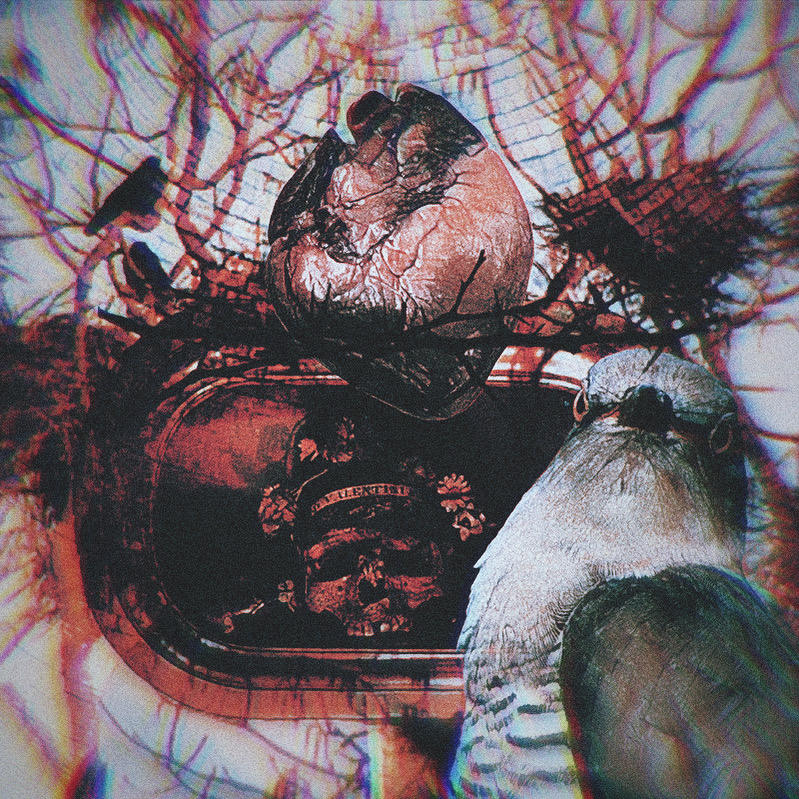
NFC S 582:192 There is an old belief that the rooks choose their mates on St. Valentine’s Day. They then begin preparing their nests early in February. When they build low down it is going to be a bad summer. But when they build high up the summer will be fine. If the cuckoo comes…
-
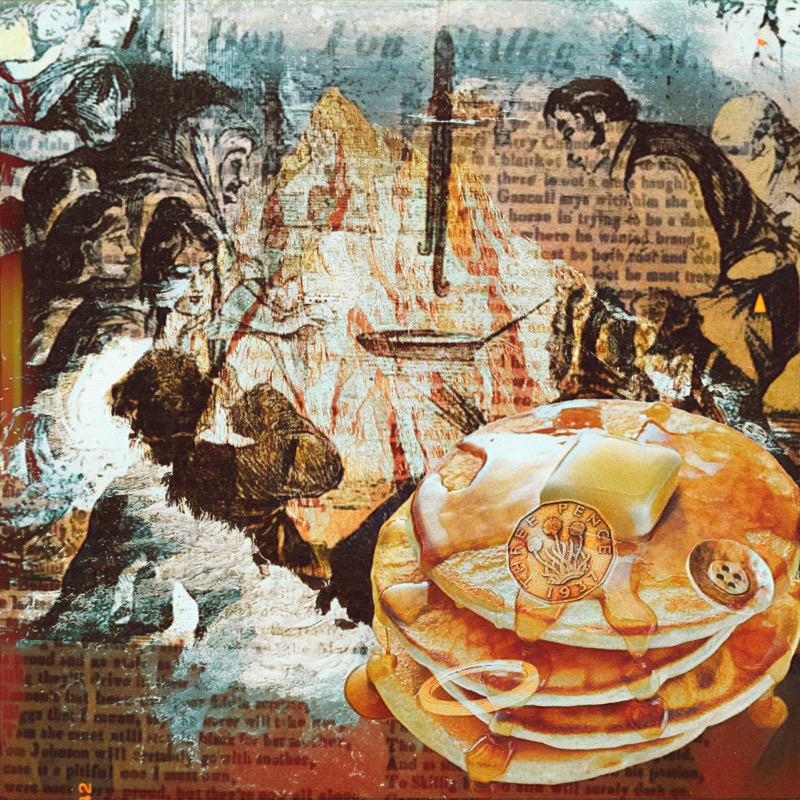
Excerpts from dúchas.ie from the National Folklore Collection “In this country Shrove Tuesday is commonly known as Pancake Night. The reason for this is that on account of the black fast on Ash Wednesday long ago pancakes were made in every house on Shrove Tuesday night. When the bean a ‘tighe was making the pancakes…
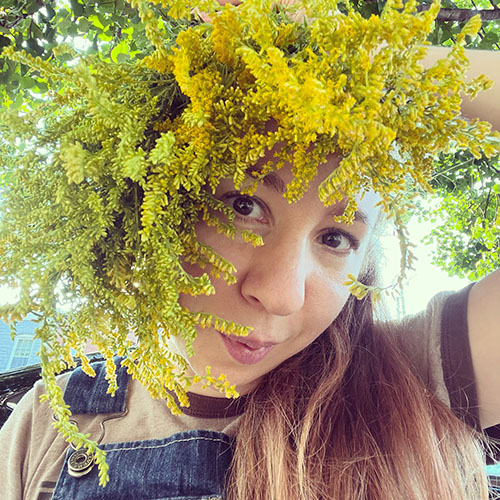
Bridging Appalachia
A Baltimorean folklorist in Ireland to explore story as medicine and the preservation of traditional foodways and medicine techniques in Irish lore.

